
Introduction to Fire Protection Systems
Fire protection systems play a critical role in ensuring building safety. Most regulations require regular inspection, testing, and maintenance to ensure these systems operate properly. As a result, building owners must manage these processes consistently to maintain compliance and safety.
Challenges in Managing Fire Protection Systems
However, managing fire protection systems can be complex. Teams need to track inspection schedules, assign responsible personnel, and review documentation regularly. In addition, they must ensure all systems remain compliant with current standards.
Therefore, proper organisation and planning are essential to keep all inspection activities under control.
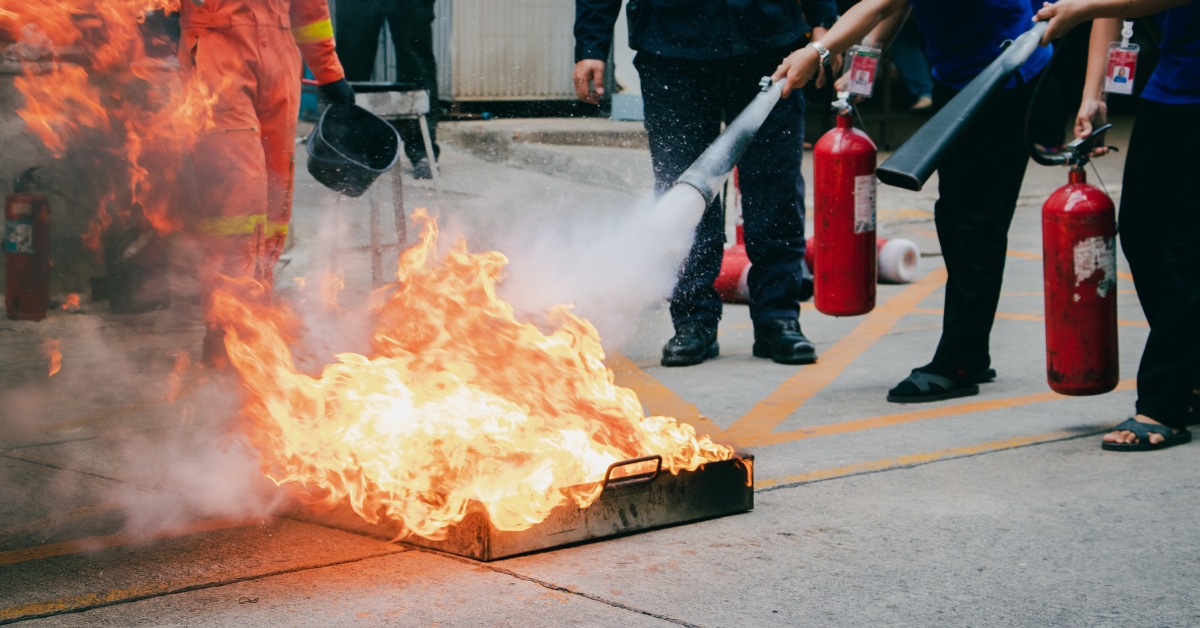
Inspection Frequency for Fire Protection Systems
Inspection schedules for fire protection systems vary depending on the type of system installed.
- Some systems require weekly checks
- Others require annual inspections
- Certain systems may only need testing every five years
In addition, the person responsible must understand inspection requirements, testing intervals, and applicable standards. This ensures the system remains reliable and compliant.
Importance of Updated Standards
Furthermore, inspection and testing requirements continue to evolve as technology advances. Because of this, some managers may overlook or misinterpret certain requirements.
To address this issue, fire safety standards are updated regularly, typically every three years. As a result, organisations must stay updated to ensure compliance.

Improving Fire Protection System Management
To manage fire protection systems effectively, organisations should first understand how inspection, testing, and maintenance impact system performance.
In addition, they should consider potential system failures. Therefore, developing a structured model helps evaluate system availability and performance. This approach also provides useful data for improving inspection management.
Risks of Poor Inspection Management
If organisations fail to inspect fire protection systems regularly, system performance may decline. Consequently, the system may not function properly during emergencies.
This can lead to delayed fire detection and slower emergency response. As a result, evacuation may take longer, increasing overall risk.
Types of Fire Protection Systems
Fire protection systems generally fall into two categories:
1. Passive Fire Protection Systems
- Fire-rated walls and structures
- Fire-resistant materials
- Compartmentation design
2. Active Fire Protection Systems
- Fire alarm systems
- Fire sprinkler systems
- Fire suppression systems
Active systems respond during emergencies, while passive systems help contain fire spread.
Best Practices for Fire Protection Systems Inspection
To ensure effective inspection management:
- Maintain a clear inspection schedule
- Keep all records updated
- Assign trained personnel
- Conduct regular system checks
- Stay updated with latest standards
As a result, organisations can improve system reliability and safety.
Conclusion
Managing fire protection systems requires proper planning, regular inspection, and continuous monitoring. Although the process can be complex, a structured approach helps ensure compliance and system effectiveness. Read Fire Safety Design Philosophy
Ultimately, well-managed fire protection systems can reduce risks and make a significant difference during emergencies.