
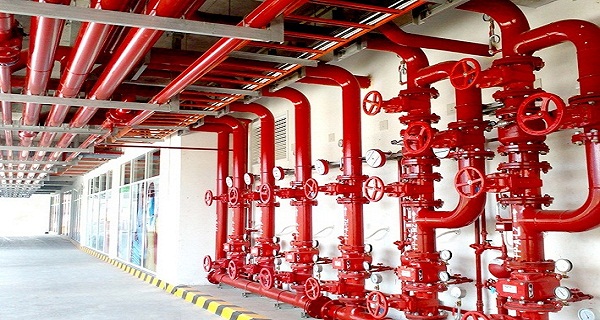
A big element of running a successful business is ensuring that it is safe and secure in all aspects. This includes preparing your business for emergencies such as fires that haven’t occurred yet.
When starting the design process, your primary goals with a new fire protection system are to safeguard people, reduce recovery time, and protect property. Here are some steps you can follow to achieve all those goals and get the fire protection system that perfectly fits the needs of your business.
Step 1: Achieving Compliance with Codes
Five Steps to Fire Protection System Design Success
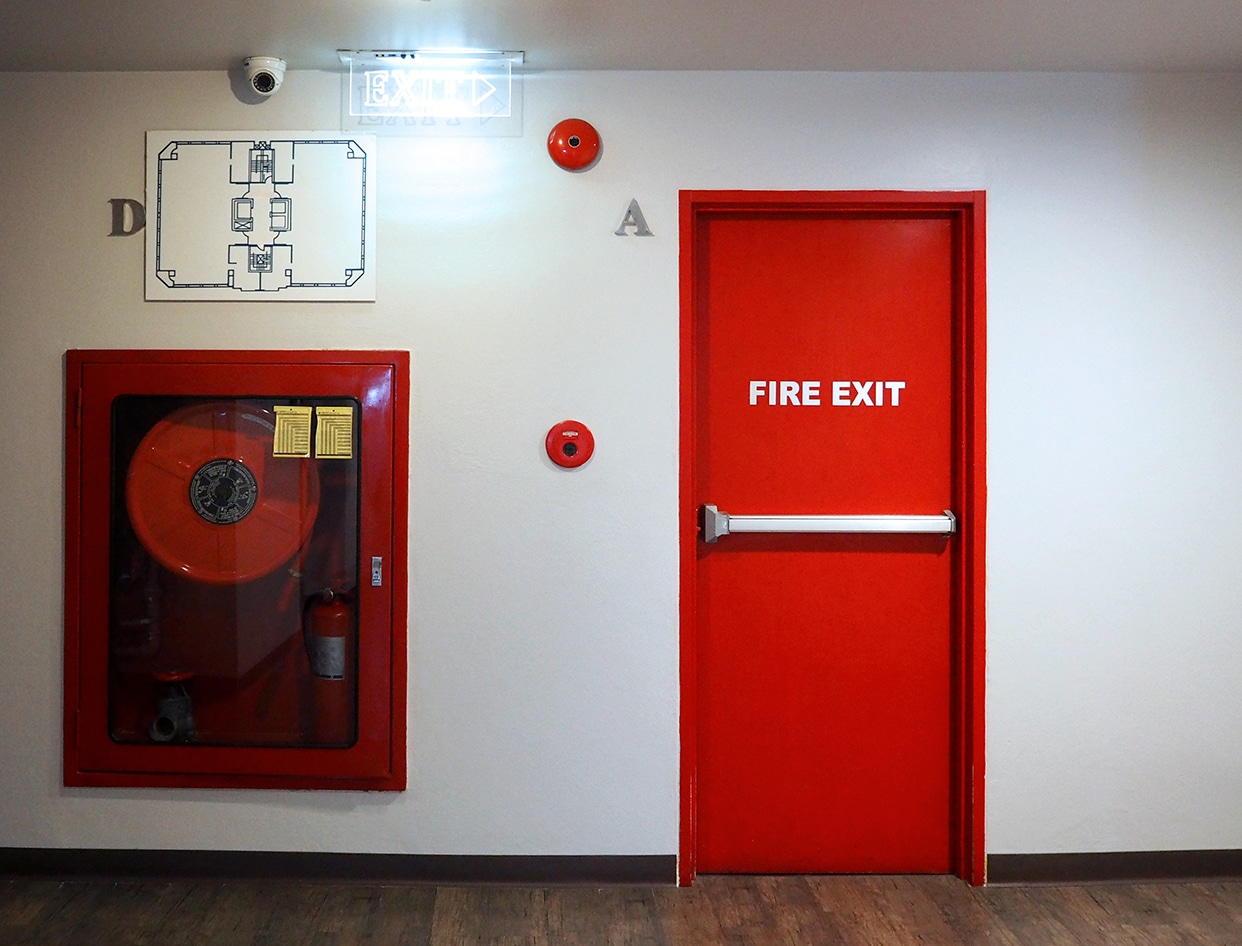
What’s the first thing you need to consider when setting out to design a new fire protection system? Being in compliance with the code.
Being “up to code” means you are at least meeting the minimum legal requirements for your facility. You’ll find that fire codes vary from one area to the next, so it’s necessary to get educated on the requirements in your area before you invest time and money in designing a system.
Step 2: A Detection Solution
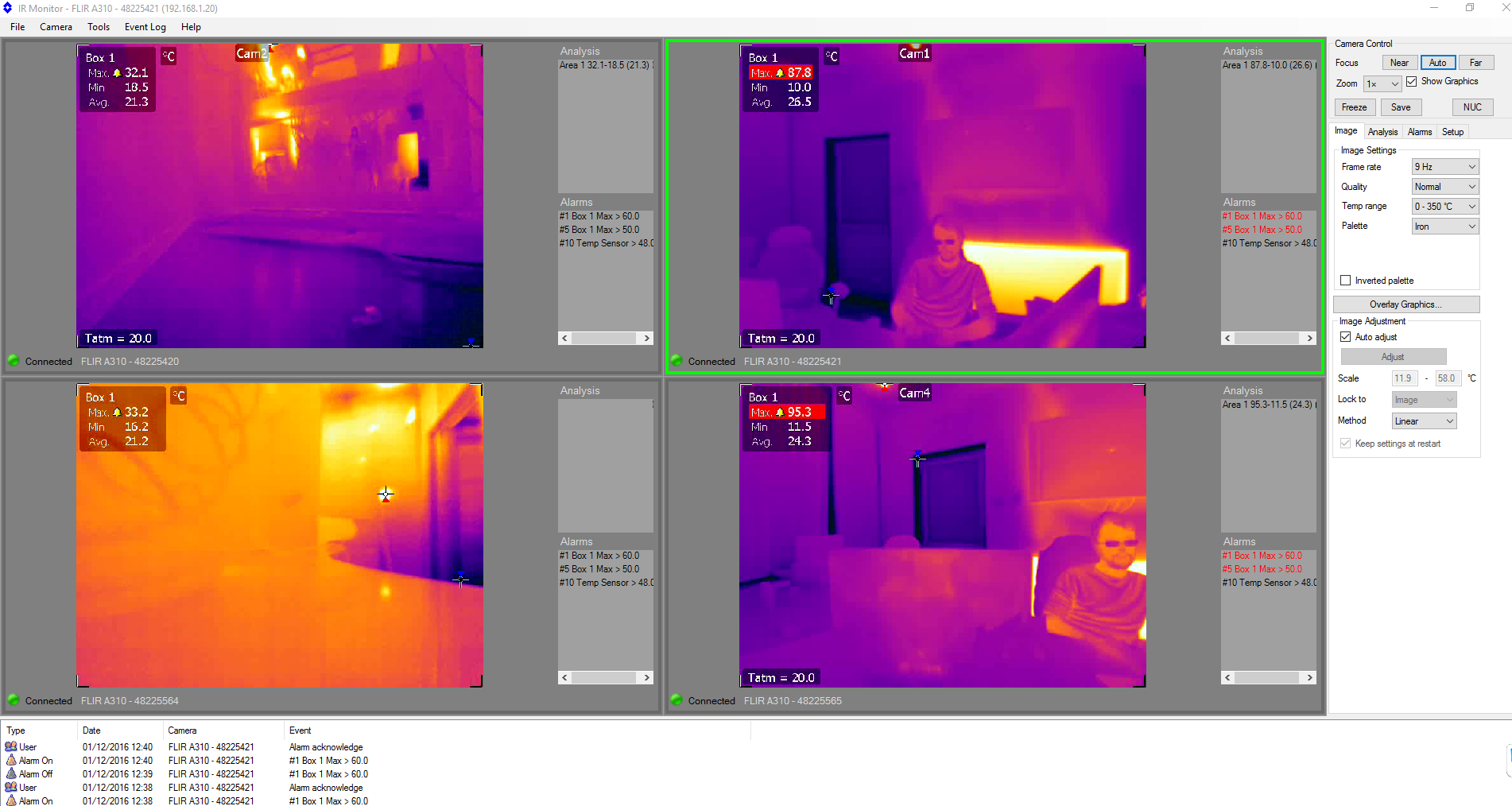
Your new fire protection system is going to have to provide you with detection capabilities. The latest technology is enabling modern systems to get much smarter about detection. It’s now possible to accurately differentiate between low and high levels of danger.
Investing in a heat detector capable of triggering an alarm before smoke is present will give an even higher level of protection. The difference between a good detection system and a bad detection system is often the difference between being able to stop a small fire and a small fire growing into something much more damaging.
Step 3: Notifications and Alarms
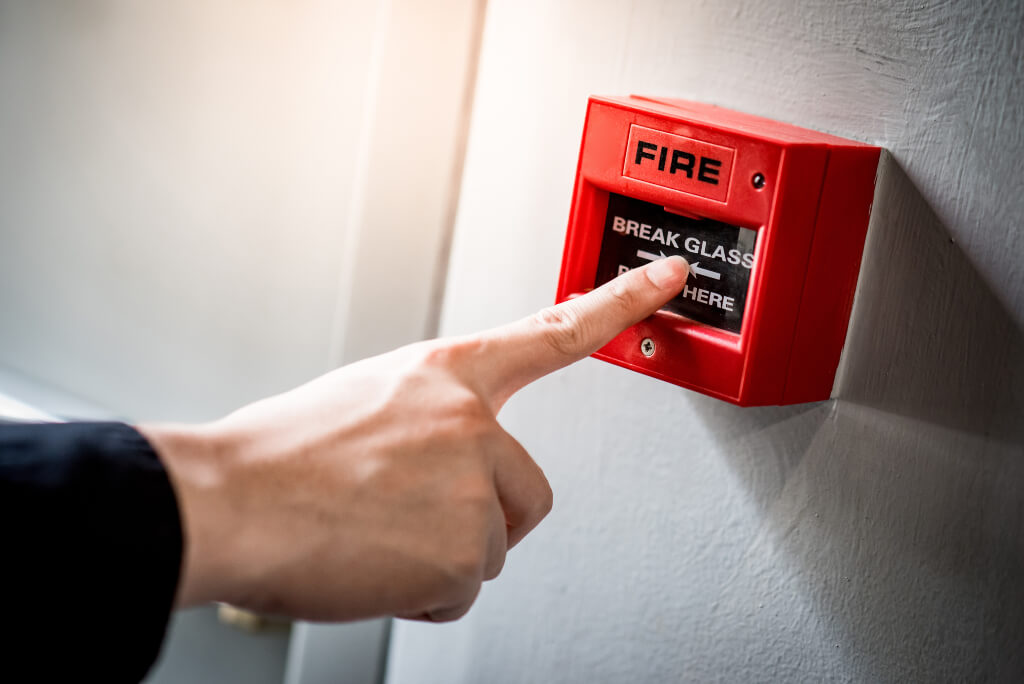
A fire alarm is an essential tool in any facility and plays a key role in your fire protection system. It provides early warning to people inside the building. At the same time, it alerts emergency personnel who must respond quickly to the situation.
In addition, modern notification technology allows alarm systems to deliver important information to responders. For example, the system can indicate the location and severity of the fire. As a result, the right personnel and equipment can reach the affected area faster.
Furthermore, fire alarm systems can guide occupants during emergencies. They may play recorded messages that instruct people to evacuate safely and follow proper exit routes.
In some cases, the alarm system can also connect to the building’s ventilation system. This helps control smoke and improves safety during evacuation.
Step 4: Fire Suppression
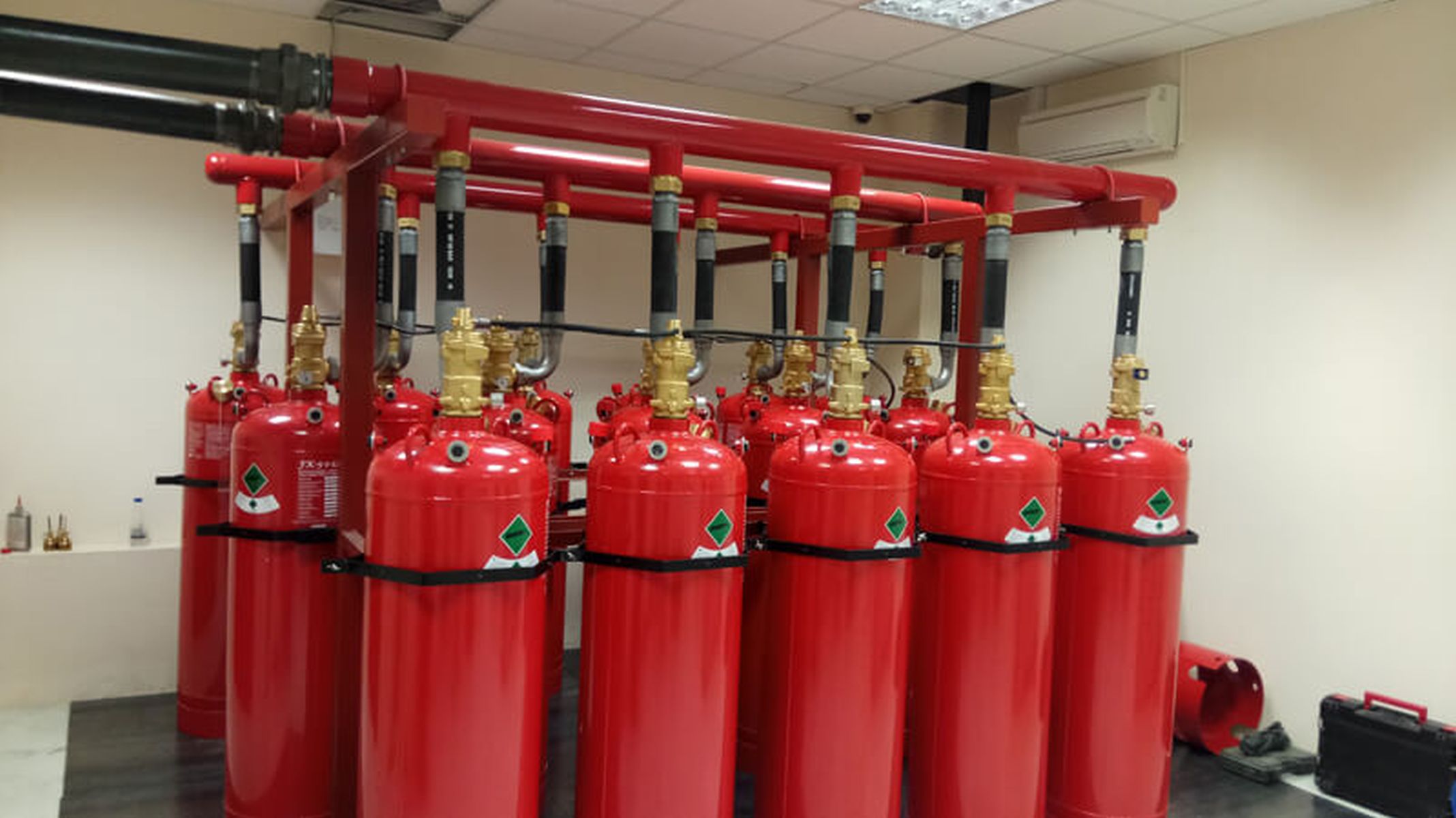
When the alarm system is triggered, it engages a suppression system designed to at least contain a fire until it can be extinguished. A sprinkler system is the most common form of suppression.
For facilities where sprinklers are not an option (for instance, if water suppression will destroy sensitive equipment), chemical suppression systems are an option.
Step 5: System Maintenance
No fire protection system will be at its peak effectiveness if it isn’t maintained regularly. Your equipment needs to be inspected by fire safety professionals at a minimum of once a year.